

The Flow State Toolkit
Three Ways to Get Into the Zone

Welcome to your Mental Performance Moment—where The MENTOR Magazine delivers simple, powerful techniques to elevate your game on and off the field. We’re here to equip you with mental tools you can use immediately, no experience required.
This issue spotlights the “Flow State Toolkit,” a collection of three quick, practical techniques designed to help you get “in the zone” by balancing focus, arousal, and confidence.
Give these routines a try and let us know how they help you find your peak performance in the comments!
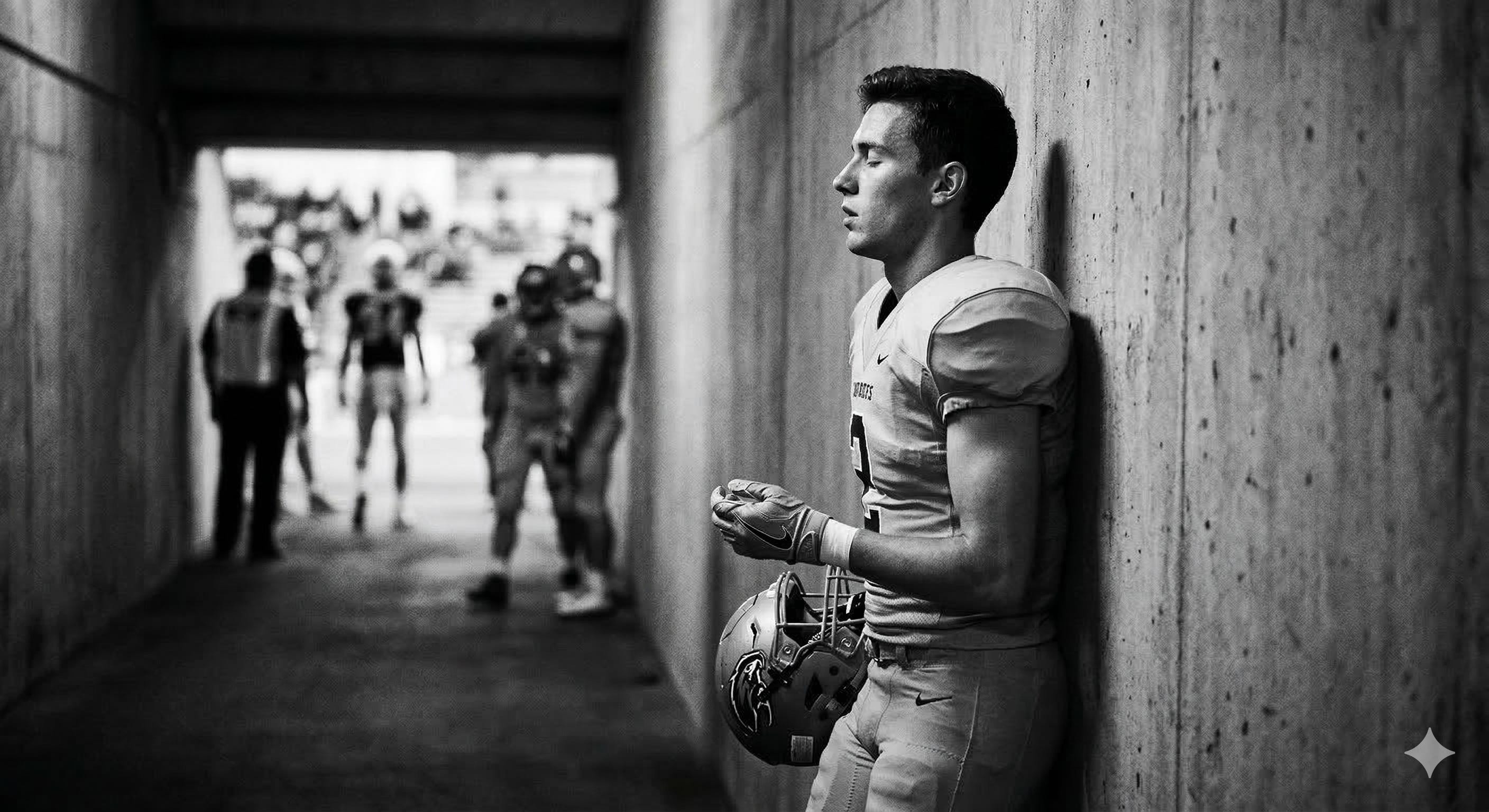
“Champions keep playing until they get it right.” — Billie Jean King
Getting “in the zone” (often referred to as flow state) usually happens when athletes reach an optimal balance of focus, arousal, and confidence.
Research on flow and peak performance (e.g., Csikszentmihalyi, Orlick) shows that athletes often enter this state through simple repeatable routines that narrow attention and regulate emotions.
Below are three quick, practical tools athletes can use before or during performance.
1. The Centering Breath Reset (30–60 seconds)
Goal: Calm the nervous system and sharpen attention.
Instructions
Stand or sit upright
Inhale slowly through the nose for 4 seconds
Hold the breath for 2 seconds
Exhale slowly through the mouth for 6 seconds
While exhaling, silently say a cue word (e.g., “smooth,” “focus,” or “calm”)
Repeat 3–5 cycles
Why it works
Slow breathing activates the parasympathetic nervous system, reducing anxiety and helping athletes reach an optimal arousal level for performance.
2. The 3-Cue Focus Routine
Goal: Direct attention to the process instead of distractions.
Instructions
Choose three simple performance cues related to execution (e.g., “eyes up → quick feet → follow through”)
Just before performing:
Take one breath
Mentally repeat the three cues
Execute the action immediately after the final cue
Example
Basketball free throw: Bounce → Breathe → Follow-through
Why it works
Elite athletes maintain focus on task-relevant cues, which prevents attention from drifting toward outcomes or pressure.
3. The 10-Second Mental Replay
Goal: Prime confidence and execution.
Instructions
Close your eyes briefly
Visualize one perfect execution of the upcoming skill
Include:
What you see
How the movement feels
The successful outcome
Open your eyes and perform immediately
Why it works
Mental rehearsal activates similar neural pathways as physical movement, increasing readiness and confidence before execution.
Summary
Three quick ways athletes can enter the zone:
Centering Breath Reset – calm and regulate arousal
3-Cue Focus Routine – narrow attention to execution
10-Second Mental Replay – mentally prime success
These tools work because they control breathing, attention, and confidence, which are key ingredients of peak performance. Use one at a time or try a combination as part of your pre-performance routine.
Next Steps Checklist:
Choose one breathing cue word (calm, smooth, focus)
Develop three simple performance cues for your sport
Practice the 10-second visualization before training reps
Combine all three into a personal 30-second pre-performance routine
References:
Csikszentmihalyi, M. (2008). Flow: The psychology of optimal experience. Harper Perennial Modern Classics.
Orlick, T. (2015). In pursuit of excellence (5th ed.). Human Kinetics.